SUSTAINABILITY: NATURE'S MOST REMARKABLE GEM
In an age where consumers increasingly seek products with a positive environmental story, cultured pearls stand apart from virtually every other gemstone. Unlike diamonds and coloured gemstones, which must be extracted from the earth through mining, pearls are grown by living oysters in the ocean, making them one of the most environmentally responsible gems available today.
A Gem Born from a Living Organism
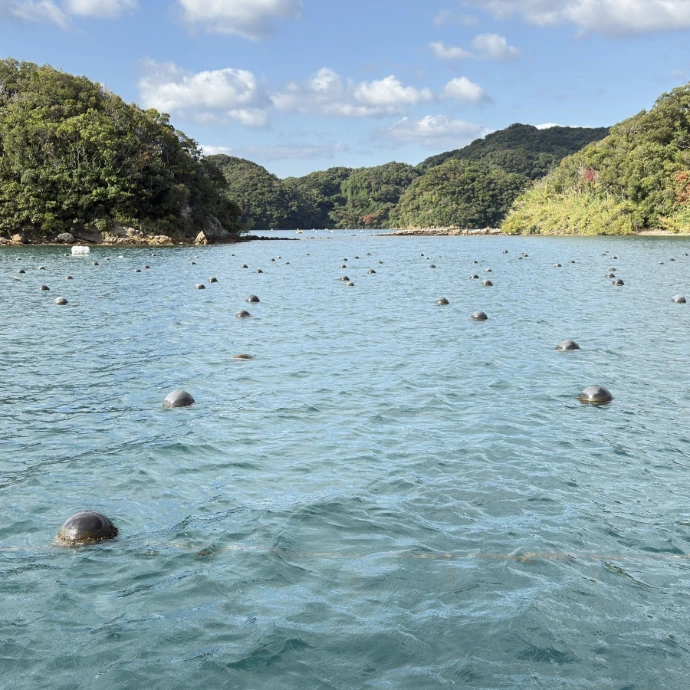
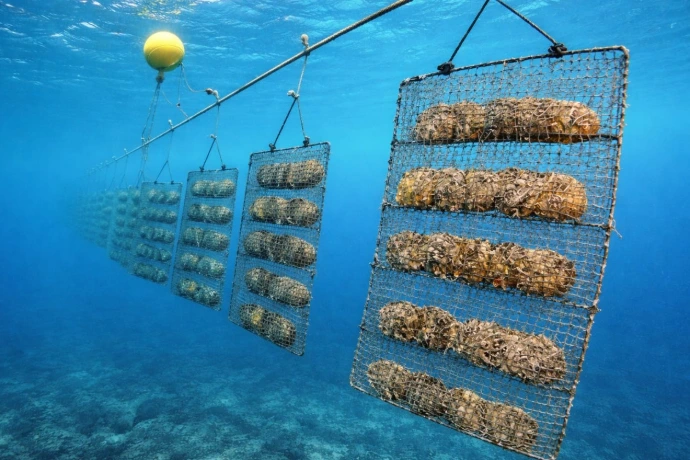
Akoya, South Sea and Tahitian pearls are unique among fine gemstones because they are created by living pearl oysters. Rather than being mined from the earth, these remarkable gems are formed naturally within oysters cultivated in carefully managed marine environments.
The relationship between pearl farming and the environment is unlike almost any other luxury industry. Healthy oysters can only thrive in clean, unpolluted water, meaning pearl farmers have a direct interest in protecting the ecosystems in which their oysters live. The success of a pearl farm depends on the health of the surrounding environment.
Natural Guardians of the Ocean
Pearl oysters are filter feeders, continuously drawing seawater through their gills to obtain nutrients. In the process, they help remove suspended particles and excess organic matter from the water, contributing to healthier marine environments. Scientists and environmental organisations have long recognised the important ecological role played by shellfish aquaculture in supporting water quality and marine biodiversity.
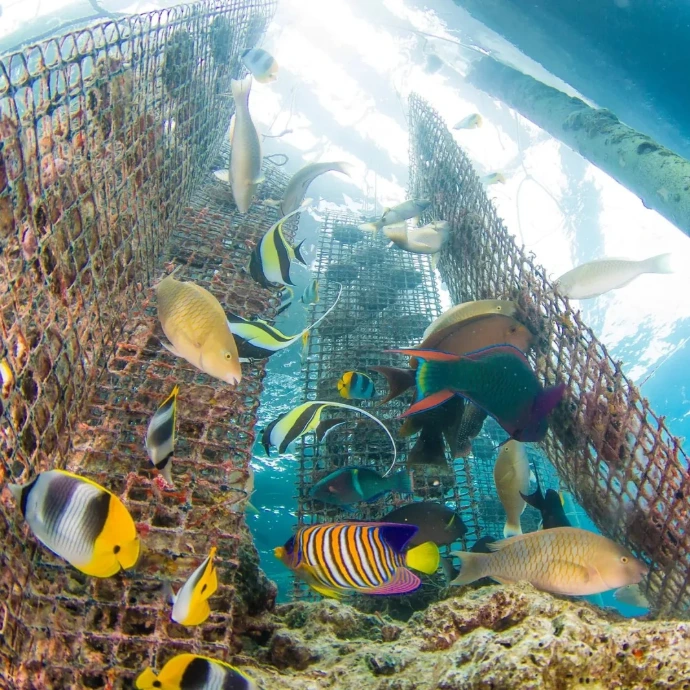
Pearl farms can also provide habitat for fish and other marine species. The ropes, baskets and structures used to cultivate oysters often become home to a diverse range of marine life, creating thriving underwater ecosystems. Responsibly managed pearl farms can therefore coexist with, and help support, local biodiversity.
No Mining, No Excavation
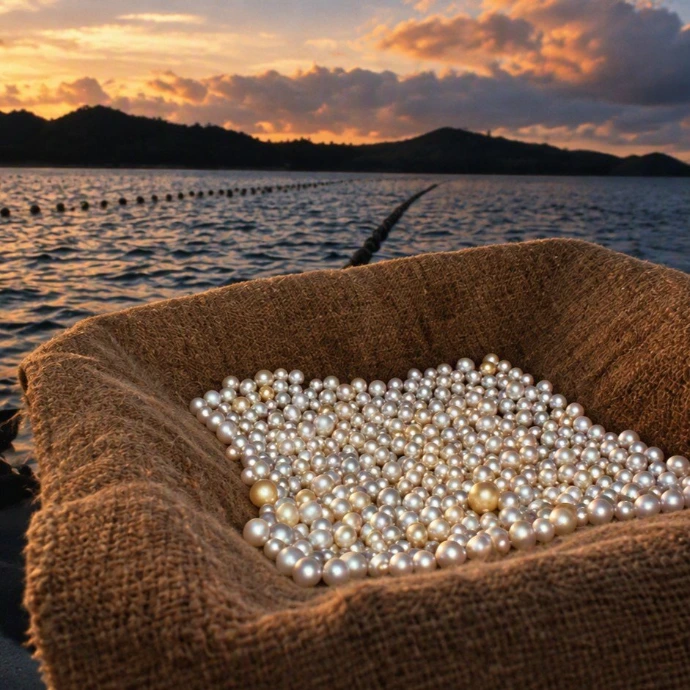
This fundamental difference gives pearls a uniquely gentle environmental footprint compared with mined gemstones. Their cultivation relies on healthy oceans rather than the extraction of finite natural resources.
A Circular and Responsible Industry
Many pearl-producing regions have embraced a philosophy of using every possible part of the oyster. The pearl itself becomes jewellery, while the shell is often used for decorative objects, buttons, inlay work and mother-of-pearl products. In Japan, efforts are also underway to compost oyster material and return valuable nutrients to the land, creating a natural cycle from land to sea and back again.
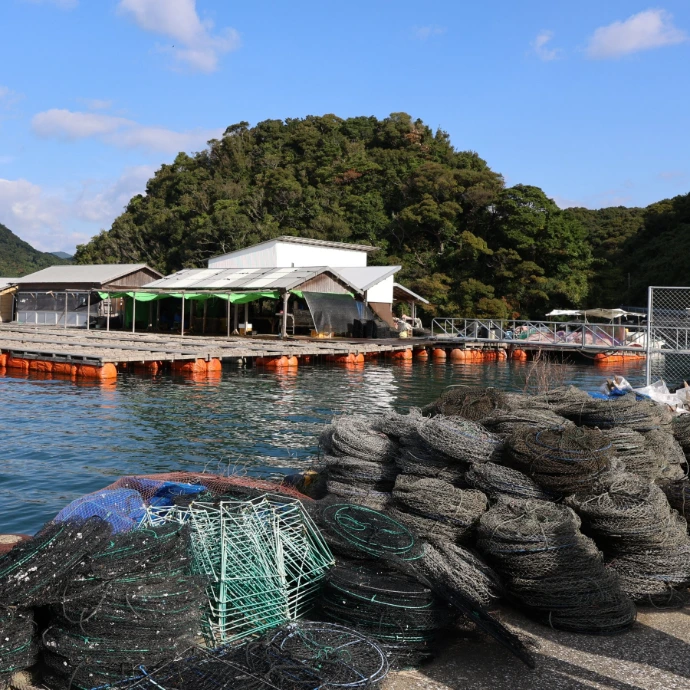
The pearl industry is also increasingly focused on reducing waste. Organisations such as the Japan Pearl Exporters' Association are supporting initiatives to recycle and upcycle aquaculture equipment, including used nets and farming materials that might otherwise be discarded. Coastal clean-up programs, recycling schemes and reforestation projects form part of a broader commitment to protecting the environments that make pearl cultivation possible.
Looking Towards the Future
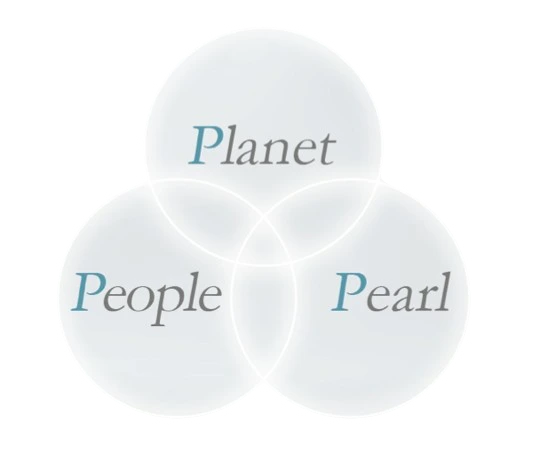
The Japanese pearl industry is increasingly guided by a philosophy often described as "Planet, People and Pearl" - a vision that seeks to balance environmental stewardship, community wellbeing and the continued production of some of the world's most beautiful natural gems.
Beauty with Purpose
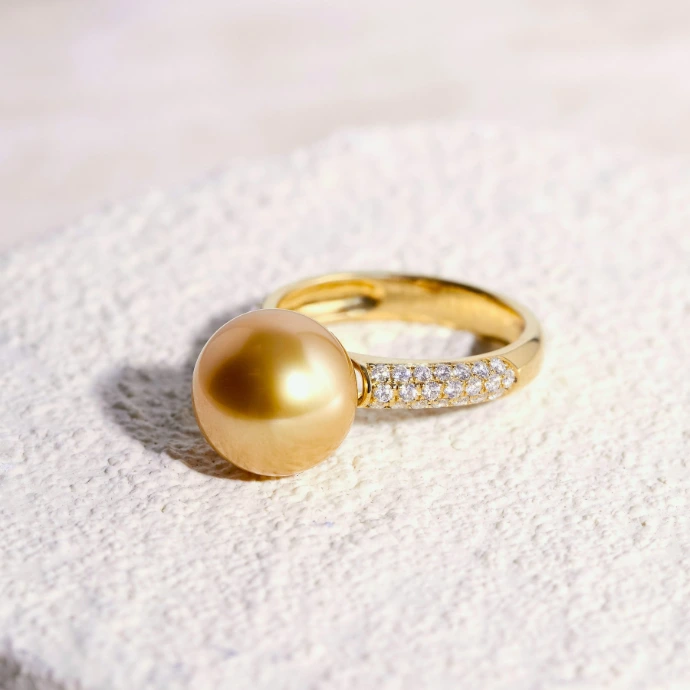
For those seeking jewellery that reflects not only elegance but also a connection to nature, cultured pearls offer a story unlike any other gemstone: one of patience, sustainability and respect for the oceans that make their creation possible.
Discover more ....
What are Pearls
Pearl Variety
Pearl Quality
Choosing Pearls
Caring for Pearls
Let us help you source exceptional pearls with confidence
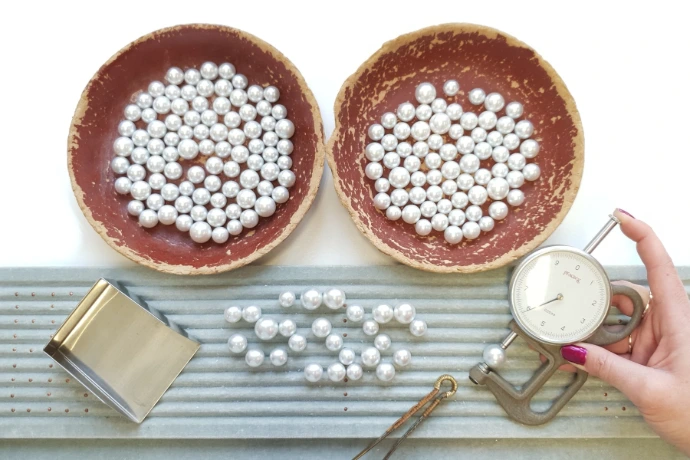
Our team carefully grades, sorts and matches each pearl to meet the specific requirements of our clients, ensuring consistency, beauty and value while upholding the reputation of pearls as one of the world's most precious gems.