Skip to Content

VARITIES OF CULTURED PEARLS

Akoya Pearls

The Classic Pearls

Key Characteristics
  • Cultivated primarily in Japan
  • Typically 2-10mm in size
  • Famous for exceptional lustre
  • Predominantly round shapes
  • White, silver and rose overtones
  • Ideal for classic pearl jewellery

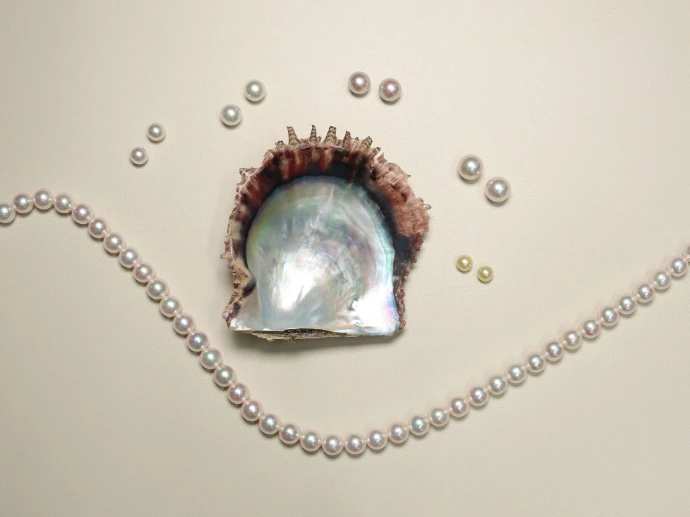
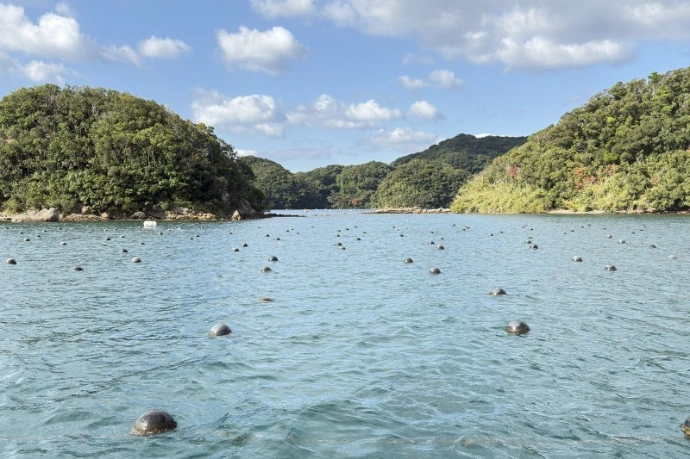
Renowned for their exceptional lustre and timeless beauty, Akoya pearls are the pearls most people picture when they think of a classic pearl necklace. Cultivated primarily in Japan, Akoya pearls were the first cultured pearls to be successfully produced and remain highly sought after for their mirror-like shine and elegant appearance.

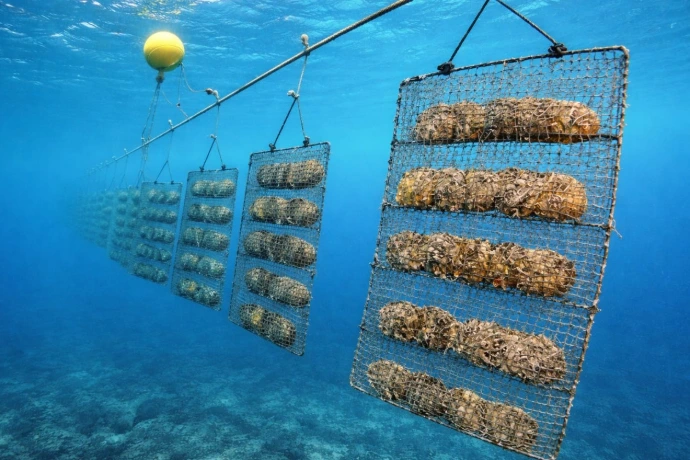
Akoya pearls are grown in the Pinctada fucata martensii oyster, with cultivation typically taking between one and two years. As only one pearl is produced per oyster at a time, production is limited and quality standards remain high.

Typically ranging from 2mm to 10mm, Akoya pearls are prized for their round shape, although oval, drop, button and baroque shapes can also be found. Their colour palette includes white, cream and silver tones, often enhanced by subtle rose, pink or silver overtones. The rarest and most prized colours are silver-rose and white-rose.

Known for their sharp, reflective lustre, Akoya pearls are an ideal choice for classic jewellery designs, including necklaces, earrings and bracelets. Their timeless appeal continues to make them one of the most popular pearls in the world.
South Sea Pearls

The Queen of Cultured Pearls

Key Characteristics
  • Cultivated in Australia, Indonesia, Philippines and Myanmar
  • Typically 9-18mm in size
  • Largest and rarest white pearls
  • Soft satin lustre
  • White, silver and golden colours
  • Highly prized by luxury jewellers

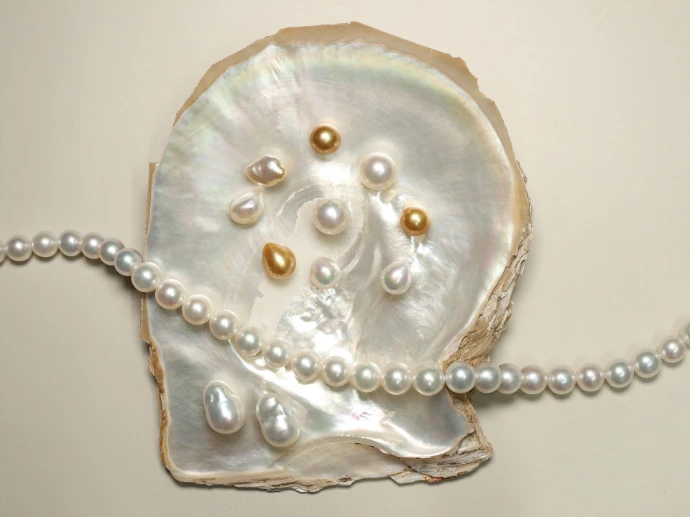
White South Sea pearls are regarded as some of the world's most luxurious and valuable cultured pearls. Known for their impressive size, silky lustre and rarity, they are often considered the ultimate pearl.

Cultivated in the Pinctada maxima oyster, the largest pearl-producing oyster species, White South Sea pearls are grown primarily in Australia, Indonesia, Philippines and Myanmar. Their cultivation requires patience, with oysters typically spending around two years in the water before harvest.

White South Sea pearls generally range from 9mm to 18mm, although exceptional pearls can grow even larger. Their colours range from bright white and silver-white to cream and soft golden tones. The rarest colours include silver-white, white-rose and deep gold.

Unlike Akoya pearls, which are known for sharp reflections, South Sea pearls are admired for their rich satin lustre and elegant glow. Only a small percentage of each harvest meets the highest quality standards, contributing to their rarity and value.

Favoured by collectors, jewellers and luxury brands worldwide, White South Sea pearls represent the pinnacle of pearl cultivation.

Tahitian Pearls

Nature's Most Exotic Pearl

Key Characteristics
  • Cultivated primarily in French Polynesia
  • Naturally dark body colours
  • Typically 8-16mm in size
  • Famous for peacock and green overtones
  • Available in round and baroque shapes
  • Highly sought after for contemporary jewellery

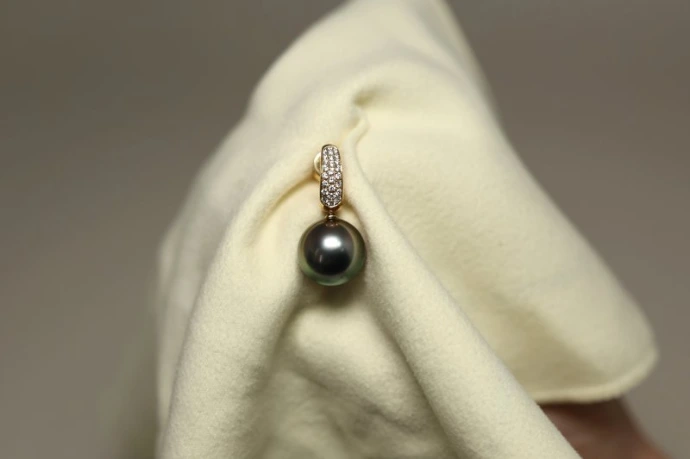
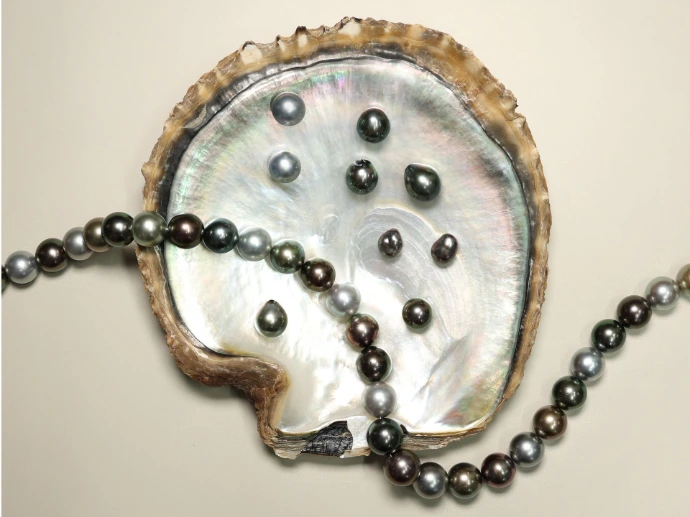
Often referred to as Black South Sea Pearls, Tahitian pearls are celebrated for their naturally dark colours and remarkable range of overtones. Cultivated in the pristine lagoons of French Polynesia, they are among the most distinctive and sought-after pearls available today.

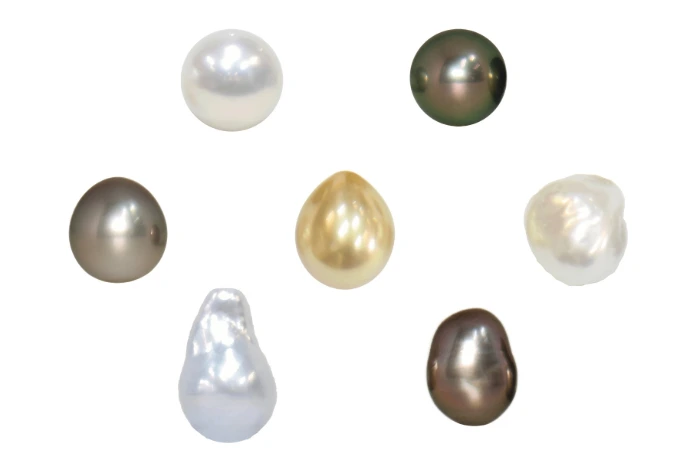
Tahitian pearls are produced by the Pinctada margaritifera, or black-lipped oyster. Unlike other pearls that are often associated with white or cream colours, Tahitian pearls occur naturally in a spectrum of shades including silver, charcoal, green, aubergine, peacock and deep black.

Sizes typically range from 8mm to 16mm, with larger pearls being exceptionally rare. While perfectly round Tahitian pearls command premium prices, many beautiful pearls are harvested in oval, drop, button, circle and baroque shapes.

Each Tahitian pearl is unique, making them particularly attractive to jewellery designers seeking individuality and character. Their dramatic colours and rich lustre create striking jewellery that stands apart from traditional pearl designs.

Keshi Pearls

Pure Nacre Beauty

Key Characteristics
  • Composed of 100% nacre
  • Exceptional lustre and orient
  • Unique organic shapes
  • Available in a wide range of colours
  • No two pearls are identical
  • Popular in bespoke and contemporary jewellery designs

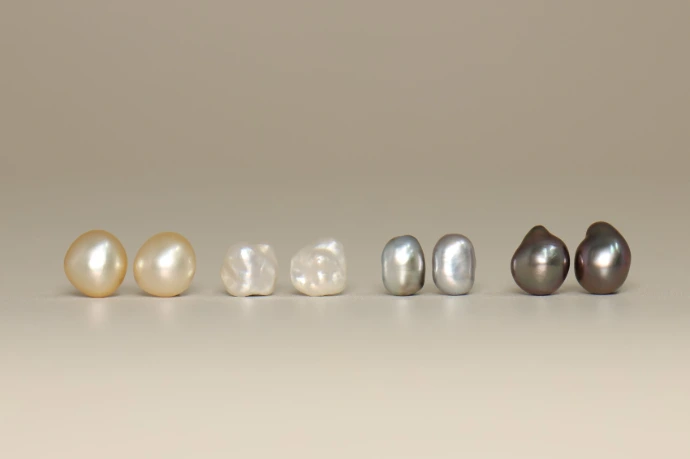
Keshi pearls are treasured for their unique organic shapes, exceptional lustre and 100% nacre composition. The word "Keshi" is Japanese for "poppy seed", reflecting the small size of the earliest Keshi pearls discovered during pearl cultivation.

Unlike traditional cultured pearls, Keshi pearls form as a by-product of the pearl culturing process that forms by accident. The result is a pearl composed entirely of nacre, giving Keshi pearls their remarkable lustre and vibrant appearance.

No two Keshi pearls are alike. They occur in a wide variety of shapes including drops, petals, baroque forms and abstract organic shapes. Colours vary according to the oyster species and may include white, silver, gold, grey and darker South Sea tones.

Their unique character makes them particularly popular among jewellery designers seeking something different from traditional round pearls. Because they are composed entirely of nacre, many Keshi pearls display a brilliance and iridescence that is difficult to match.

Whether used as statement pieces or in contemporary jewellery designs, Keshi pearls offer individuality, rarity and natural beauty.

Discover more ....


What are Pearls

Pearl Quality

Sustainability

Choosing Pearls

Caring for Pearls

Let us help you source exceptional pearls with confidence

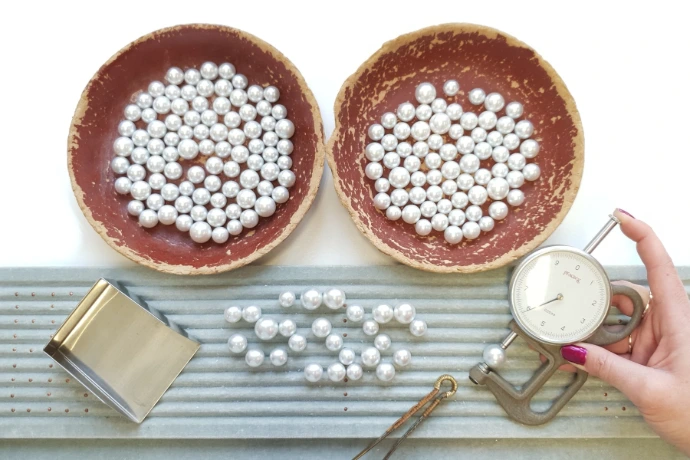
Our team carefully grades, sorts and matches each pearl to meet the specific requirements of our clients, ensuring consistency, beauty and value while upholding the reputation of pearls as one of the world's most precious gems.